
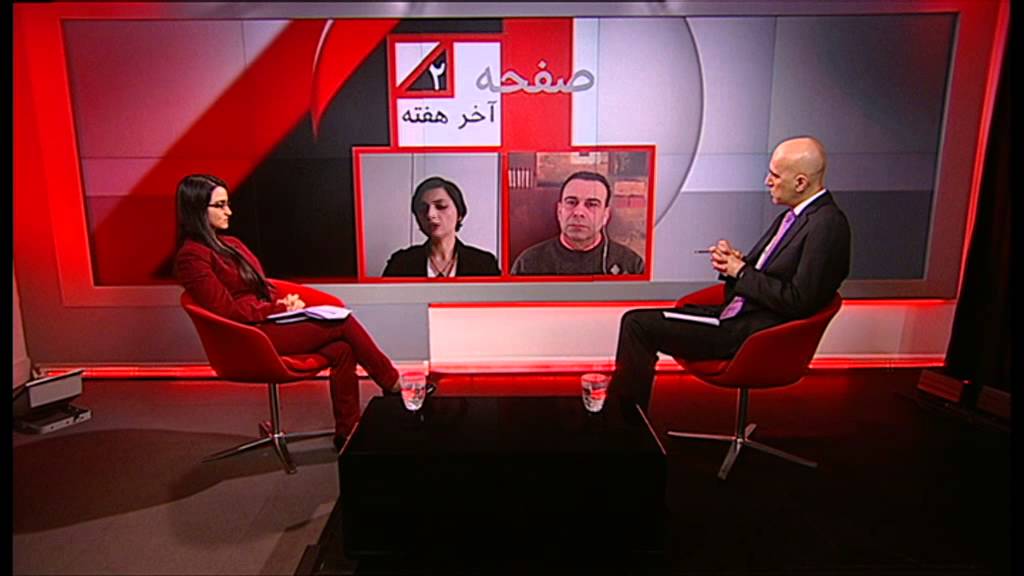
The customs, traditions, and sets of laws that govern human life are not the same in different societies; in some societies, women and men experience life in a more or less similar way, but in others, the lived experiences of women and men differ significantly. Today’s Iran can perhaps be classified in the second category: Iranian women and men are not equal before the law, nor do they enjoy the same rights and responsibilities, nor are women’s power and presence in society comparable to men. In today’s program, on the eve of March 8, International Women’s Day, we ask what it means to be a woman in Iran?
We will discuss this question with Leili Nikounazar, a journalist and researcher in cultural studies, Hossein Ghazian, a sociologist, and Narges Tavaslian, a lawyer.
Afghan women have been able to achieve significant progress in the past decade, thanks to the support and presence of the international community in this country, and their social presence has increased significantly compared to the past. But has this improvement been limited to some urban and affluent women, or has it improved the overall situation of women in Afghanistan? And are these changes permanent and irreversible? To explore this issue, we are joined by two guests in this segment of the program: Fatemeh Gilani, a women’s rights activist, and Zahra Mousavi, a civil rights activist.
