The Sarpol-e-Zahab earthquake showed that celebrity, or what was previously called a star, has become a civic authority in Iran today. What is the reason for the importance of celebrities and the spread of celebrity culture, and what are its consequences?
A cultural studies theorist says that celebrity emerged when being appreciated by the people of the streets replaced status in the court. If we accept such a view, celebrity, or what was called a star, would not be a new phenomenon. For example, it must have been very important for Delkash to be appreciated by the people of the streets and bazaars, something that was not possible in the generations before him. However, those who consider Delkash’s closeness to the people of his time and the importance of celebrities in the current generations to be different point to something that is currently called celebrity culture. One of the consequences of celebrity culture is the entry of celebrities into civic affairs, the best example of which can be seen in the days after the Sar-e-Pol-e-Zahab earthquake, when many people turned to celebrities for relief instead of official channels. But is celebrity activity in the civic sphere also new? Wasn’t it true that during the reign of Mohammad Reza Shah Pahlavi, a number of people, due to distrust of the ruling system, gave their aid through people like Gholam Reza Takhti to the victims of the Buin Zahra earthquake? In this case, what has made celebrity and celebrity culture more important today? How should celebrity activism in civic and charitable affairs, as well as in political arenas, be evaluated?
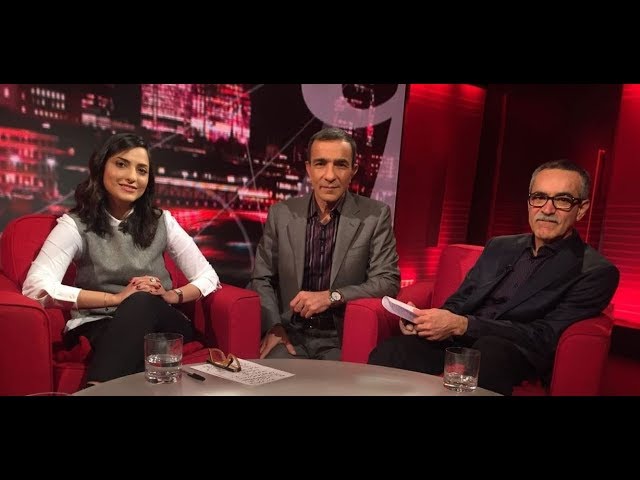
Guests on the program: Alireza Behtoui; sociologist and Leili Nikounazar; researcher.
Pargar: Celebrity and His Civic Activism