Many people in Iran have spent the past four days searching for safety, clarity and reliable information in the deluge of ever-changing news.
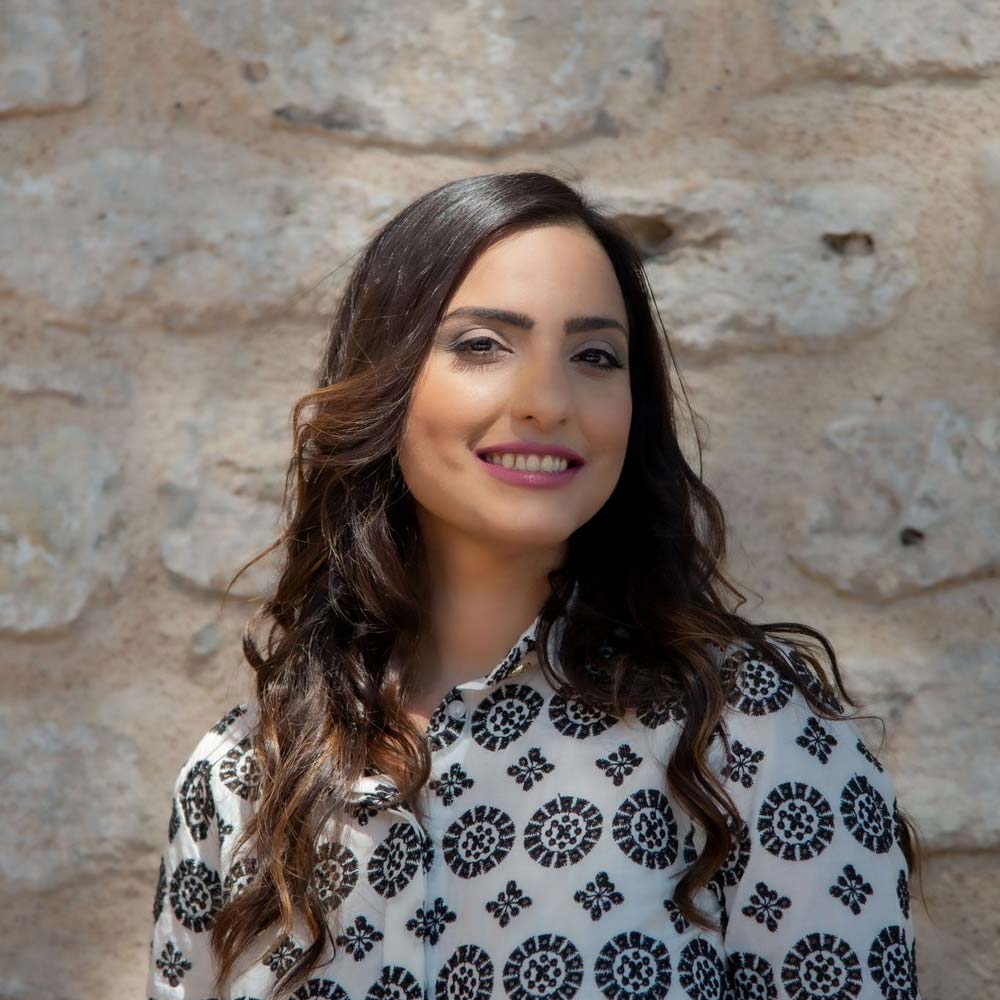
Kimia, a student, left Tehran for her father’s family home in the southern coastal city of Bandar Abbas before fleeing again to her grandparents’ house in another city she hoped would be safer. Fahimeh, a jewelry designer from Tehran, fled to her parents’ home in Qazvin. An accountant in Mashhad, Masoud, left the city with his family and his wife’s family for a small cottage in the countryside.
Many of the Iranians interviewed, all of whom asked to be identified only by their first names because of the sensitivity of the situation, are struggling to absorb their new, ever-changing reality.
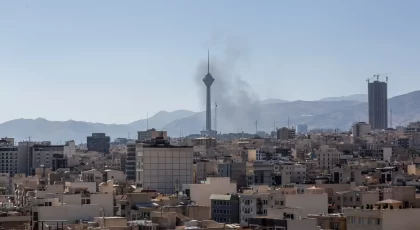
Crowds of Iranians have fled Tehran since Israel launched an attack on Friday. Evacuations have intensified in the hours since the Israeli military issued an evacuation order for a large part of northeastern Tehran, saying it planned to target “military infrastructure” in the area.
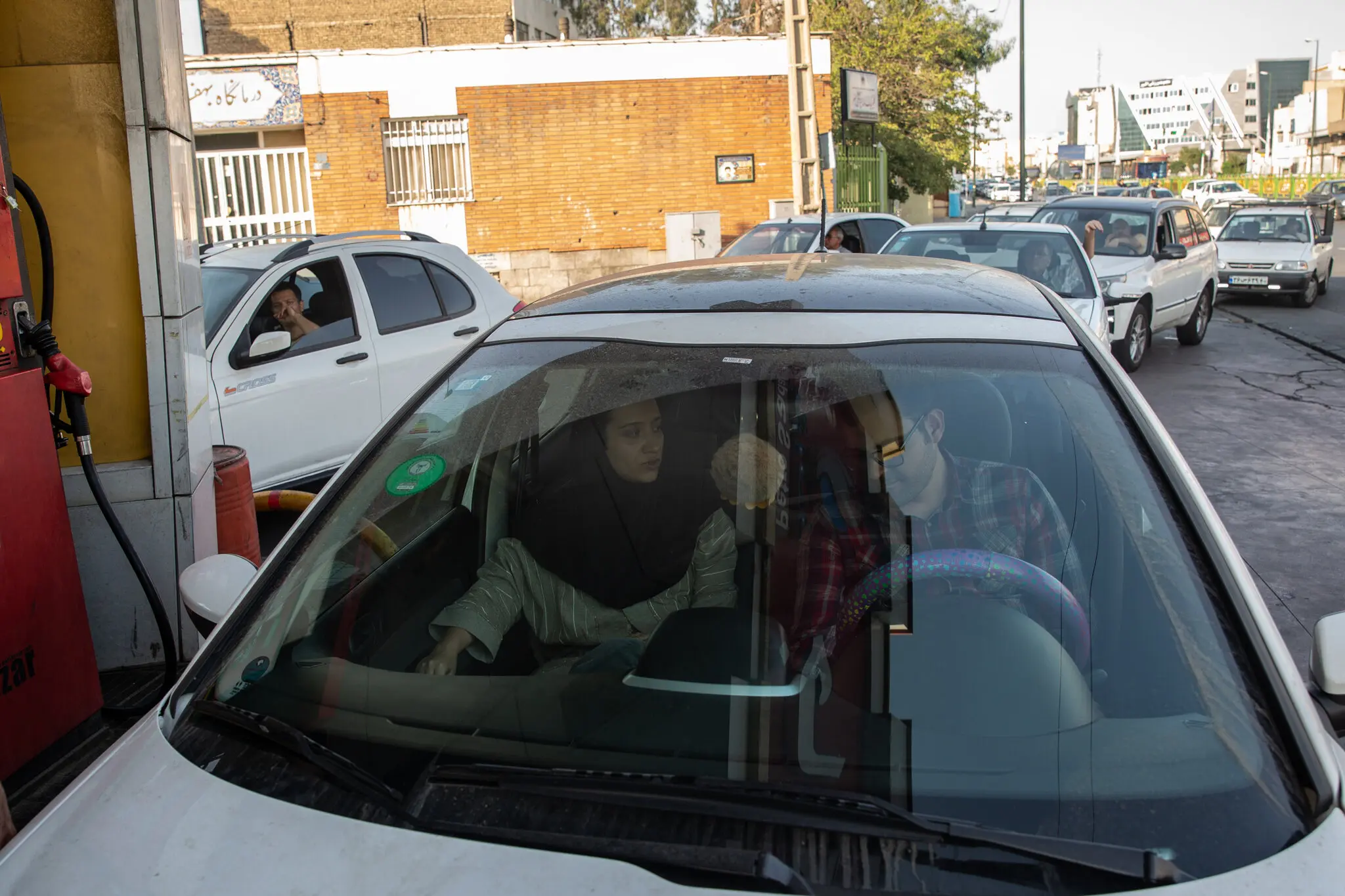
Some gas stations have reportedly closed because they ran out of fuel, and social media footage verified by The New York Times showed traffic clogging roads leading out of Tehran.
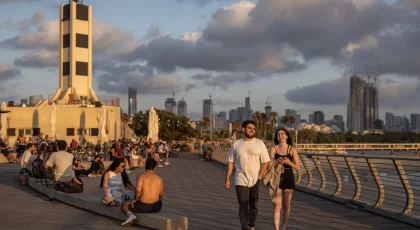
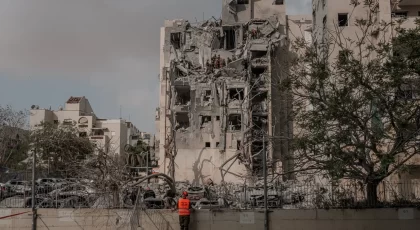
Israel’s attacks have killed more than 224 people and injured more than 1,800 people in Iran, according to the country’s health ministry. Iranian strikes have killed more than 24 people and injured more than 600 in Israel, according to the Israeli government.
“Before this conflict erupted, we used to joke in group chats and online that the next disaster would be something absurd like a volcanic eruption, an alien invasion or a zombie attack,” Kimia said. “What we didn’t think about was another war.”
She has been glued to the news, and she said her life has become a maelstrom of stress, worry and uncertainty.
“It felt like all of Tehran was evacuating,” said Fahimeh, the jewelry designer from Tehran. Fuel lines were so long that she skipped refueling, and while she did not notice a grocery shortage, she was only allowed to buy two cans of tuna.
“Drivers were aggressively overtaking each other, showing little patience or empathy,” Fahimeh said. “People seemed frustrated and anxious. My foot was constantly on the clutch and brake.”
Leili, a teacher who lives in the province of Mazandaran, said many Iranians were starting to seek refuge in her area.
Grocery shortages there were becoming increasingly noticeable, she said, and meat and chicken were becoming hard to find.
“Cooking oil is now scarce in stores, and if this continues, the situation could grow more concerning,” she said. While she hasn’t stockpiled supplies, Leili said, “many others have begun hoarding, likely driven by memories of shortages during the Iran-Iraq war and fears of future scarcity.”
Many Iranians are experiencing a mix of emotions, a concern for their homeland and its future, alongside satisfaction at the regime’s humiliation, Leili added. There are questions about what the war will mean for the nation’s political future, too.
If the regime was overthrown, Masoud wondered, would the United States intervene to set up a new Western-style secular democracy, as he and others he knew hoped? Or would Israel and the United States “destroy the regime and then abandon Iran to its fate,” as Masoud said most people he spoke to feared?
“People are terrified of the uncertain fate that awaits them. Like walking in the dark, when you can’t see ahead, you are most afraid,” Masoud said.
Both Iran and Israel have ignored possible routes toward de-escalation. And on Tuesday morning, President Trump said he wanted something “better than a cease-fire,” adding he wanted a “complete give-up” by Iran.
“The small routines and plans I had for my life are shattered,” Kimia said. “I can no longer envision a future beyond ensuring the safety of my loved ones and bracing for the worst if something happens to them.”